THE ATHLETIC SPINE / LUMBAR SPINE SURGERY
Lumbar Microdiscectomy
Relieve nerve pressure. Get back to moving.
Targeted removal of herniated disc material causing leg pain and other nerve-related symptoms.
Omid Jalali, MD · Orthopedic Spine Surgeon
Mission Viejo · Orange County
What is lumbar microdiscectomy?
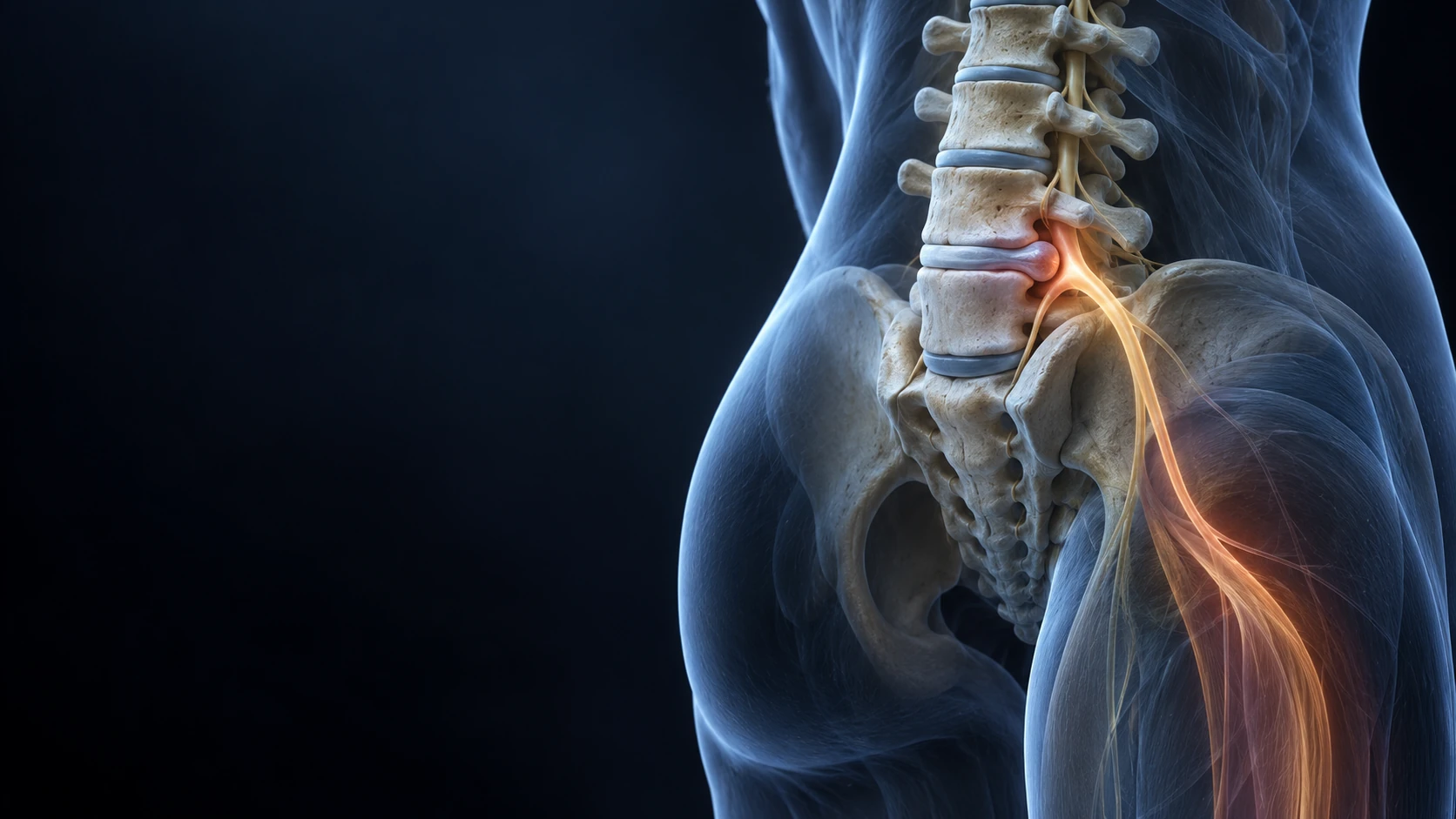
Lumbar microdiscectomy removes the portion of a herniated disc that is pressing on a nerve in the lower back. The operation uses magnification and a focused exposure to reach the compressed nerve. Most of the disc is left in place, and fusion is not routinely part of the procedure.
The principal aim is relief of sciatica or other nerve-root symptoms. It does not replace the disc or reverse all degenerative changes in the spine. Distinguishing leg pain from unrelated back pain helps set realistic expectations.
Watch on YouTube ↗
When might it help?
Microdiscectomy may help when a lumbar disc herniation seen on imaging matches your leg pain, numbness, or weakness. Many disc herniations improve without surgery, so the decision considers the severity and course of symptoms as well as your examination.
Leg pain that interrupts everyday life
Shooting pain into the buttock, thigh, calf, or foot may prevent sitting, sleeping, working, or walking comfortably. Surgery can be considered when a suitable period of nonsurgical care has not restored an acceptable level of function.
Weakness or worsening nerve function
A new foot drop or progressive weakness needs prompt assessment. Significant neurological change may alter the timing of surgery rather than waiting through a standard course of conservative care. Bladder or bowel changes with saddle numbness require emergency evaluation.
A clearly matched disc problem
MRI helps locate the herniation, but the scan must fit your symptoms and examination. Hip disease, peripheral nerve problems, and other spinal conditions can produce overlapping symptoms. Removing a disc fragment will not address every cause of leg pain.
Understanding what can recover
Leg pain may improve before numbness or strength. A nerve that has been compressed for a long time may recover incompletely. Back pain can persist, and recurrent herniation is possible even after a successful initial operation.
RELATED CONDITIONS
What happens during surgery?
Under anesthesia, the surgeon reaches the involved level through the lower back. A small amount of bone or ligament may be removed to access the nerve safely. The offending fragment is removed, the nerve is checked for adequate space, and the wound is closed.
A focused operation
The goal is to remove the compressive material while preserving normal supporting structures. The incision and exposure depend on the fragment’s location, your anatomy, and any prior surgery.
Recovery is a gradual return to activity.
Many patients return home the day of surgery, although observation may be needed. Walking usually begins early. Incision soreness and temporary residual nerve symptoms can occur even when the original compression has been relieved.
Follow individualized guidance for sitting, lifting, bending, driving, and returning to work. Rehabilitation may help rebuild confidence and conditioning. A return to heavy work or sport should be gradual rather than based solely on an early reduction in pain.
Understand the tradeoffs.
Risks include infection, bleeding, spinal fluid leak, nerve injury, persistent symptoms, and recurrent disc herniation. Further decompression or another operation may be needed. Surgery does not remove the possibility of future disc degeneration.
YOUR QUESTIONS, ANSWERED
Before you decide.
Is the whole disc removed?
Usually only the material causing compression and selected loose fragments are removed. Most of the disc remains.
Do I need a fusion?
Not routinely. Instability or other structural problems can change the plan in selected cases.
Can the disc herniate again?
Yes. Recurrence is possible because the remaining disc can develop another herniation. New symptoms should be assessed.
Further patient education: HSS: microdiscectomy · AANS: herniated disc
General education to support a conversation with your surgeon. Follow the instructions provided for your individual care.
LESS PAIN. BETTER MOVEMENT. ACTIVE LIFE.
Start with a conversation.
Bring your questions, your goals, and your prior imaging. Together, we can discuss which options fit your diagnosis and the activities you want to return to.
Request an appointment →Community Orthopedic Medical Group
26401 Crown Valley Pkwy #101, Mission Viejo, CA