THE ATHLETIC SPINE / COORDINATED NONSURGICAL CARE
Epidural Steroid Injections & Selective Nerve-Root Blocks
Targeted treatment for nerve-related pain.
Dr. Jalali coordinates appropriate injections with interventional specialists as part of your overall spine care.
Omid Jalali, MD · Orthopedic Spine Surgeon
Mission Viejo · Orange County
What are epidural injections and selective nerve-root blocks?
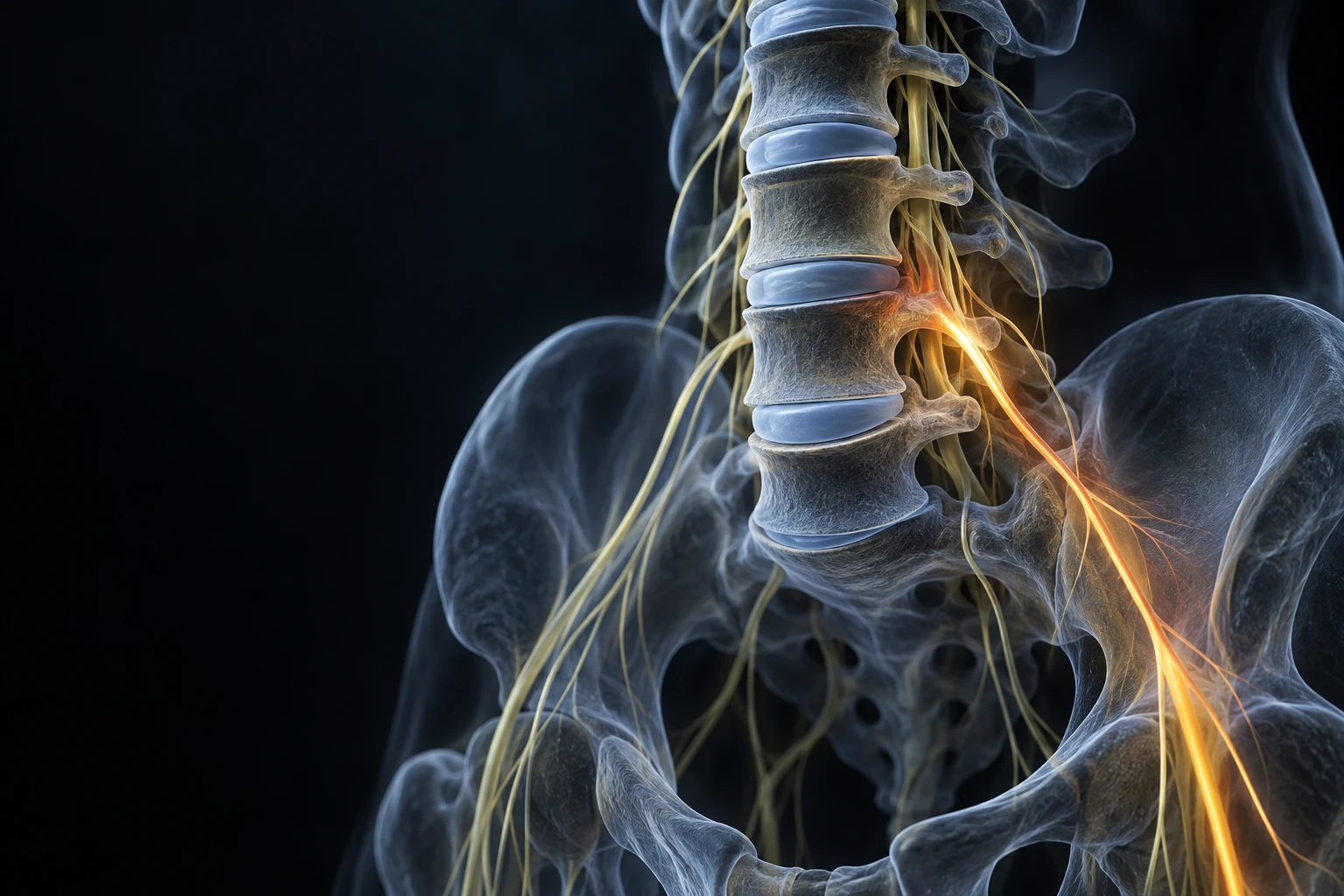
An epidural steroid injection delivers medication near irritated spinal nerves to reduce inflammation and pain. A selective nerve-root block focuses on a particular nerve and may be used for symptom relief or to help clarify which nerve is contributing to pain.
These injections do not remove a herniated disc, enlarge a narrowed canal, or correct instability. Their role is to support symptom management and, in selected cases, help guide the next treatment decision.
Epidural injections for back and leg pain
Watch on YouTube ↗
Cervical epidural steroid injections
Watch on YouTube ↗
Cervical selective nerve-root blocks
Watch on YouTube ↗
When might it help?
An injection may be considered when nerve-related arm or leg pain limits daily activity or participation in rehabilitation. Symptoms, examination, and imaging help identify whether there is an appropriate target.
Radiating pain is the main problem
Pain traveling into an arm or leg from an irritated nerve may respond differently from pain centered only in the neck or back. The intended target and the reason for choosing an injection should be clear.
A chance to participate in recovery
Temporary relief may create an opportunity to walk, sleep, or work on rehabilitation more comfortably. Some patients benefit for longer, while others obtain little relief. The goal is meaningful improvement rather than an automatic series of injections.
Clarifying a suspected nerve level
When several levels look abnormal, a targeted block can sometimes add information. The response is interpreted with the rest of the evaluation; it is not a stand-alone test that proves or excludes a diagnosis.
When a different next step is needed
Progressive weakness, spinal cord dysfunction, or other concerning neurological findings require reassessment rather than simply repeating injections. Dr. Jalali coordinates with the treating interventional specialist and reviews the response in the context of your broader plan.
RELATED CONDITIONS
What does treatment involve?
The interventional specialist chooses the route and medications based on the target and safety considerations. Imaging guidance helps position the needle, and contrast may be used to assess distribution before medication is delivered. Preparation and observation requirements vary.
Before the appointment
Tell the procedural team about blood thinners, diabetes, allergies, infection, and possible pregnancy. Do not stop prescribed medication on your own. Follow their instructions for eating, driving, and arranging an escort.
Progress toward your goals.
Local soreness or a temporary change in symptoms can occur. Any local anesthetic effect may wear off before an anti-inflammatory effect develops. Follow the procedural team’s activity and monitoring instructions.
Record how much relief occurred, which symptoms changed, how long it lasted, and whether you could do more. This information helps decide whether to continue rehabilitation, consider another targeted treatment, or revisit the diagnosis.
Risks and considerations.
Risks include bleeding, infection, headache from a dural puncture, nerve injury, and reactions to medication or contrast. Steroids may temporarily raise blood sugar or cause other systemic effects. Rare serious neurological complications can occur, with risks influenced by the injection location and technique.
YOUR QUESTIONS, ANSWERED
Before you decide.
Does Dr. Jalali perform the injection?
He coordinates injection care with an interventional specialist and incorporates the results into your overall treatment plan.
How many injections will I need?
There is no routine number for everyone. Further injections depend on the benefit, duration of relief, risks, and the treating specialist’s assessment.
Does temporary relief mean I need surgery?
No. The response is one piece of information and may instead help you progress with nonsurgical care.
Further patient education: RadiologyInfo: epidural injections · HSS: injection options
General education to support a conversation with your surgeon. Follow the instructions provided for your individual care.
LESS PAIN. BETTER MOVEMENT. ACTIVE LIFE.
Start with a conversation.
Bring your questions, your goals, and your prior imaging. Together, we can discuss which options fit your diagnosis and the activities you want to return to.
Request an appointment →Community Orthopedic Medical Group
26401 Crown Valley Pkwy #101, Mission Viejo, CA